Complaints Procedure for Commercial Waste Removal Westminster
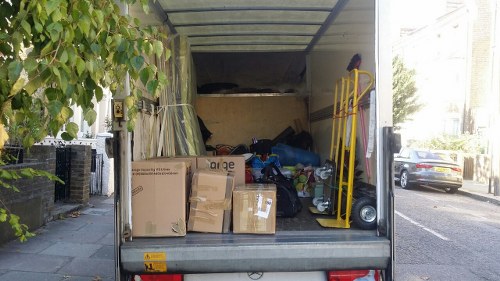 Scope and purpose: This complaints procedure explains how we handle concerns about commercial waste removal Westminster and related services provided to businesses and organisations. It sets out the stages of reporting, investigation, resolution and escalation so that all parties understand the process. The document is written as a clear operational and legal reference for customers and internal teams; it is not a how-to guide or promotional material.
We treat every complaint about commercial rubbish removal in Westminster seriously. Complaints may relate to service levels, missed collections, unsafe handling of business waste, failure to follow agreed waste segregation, or any aspect of contract performance. Wherever possible, complaints are handled promptly to limit disruption to commercial operations and to ensure health and safety obligations are met. All records of complaints are retained in accordance with our retention policy and data protection obligations.
 Initial acknowledgement and logging: When a complaint is received it is logged in our central complaints register, assigned a unique reference number and acknowledged in writing. Acknowledgement will confirm the issues reported and the expected timescale for the first response. The acknowledgement will also outline what information has been recorded, how the complaint will be investigated, and the right to escalate if the matter is not resolved satisfactorily.
Investigation and assessment
Investigation: Each complaint is allocated to an impartial investigator who will gather relevant information, including collection records, vehicle logs, staff statements and any photographic evidence. Investigators will assess whether service standards were breached, whether there was a failure to comply with contractual terms for business waste collection in Westminster, and whether any statutory obligations were affected. Interim updates are provided at regular intervals, and serious incidents are prioritised for immediate review.
Analysis and proposed action: Following fact-finding, the investigator will prepare a report outlining findings, recommended remedies and any steps needed to prevent recurrence. Remedies may include operational correction, re-collection, financial adjustment, or changes to working practices. Recommendations are reviewed by a complaints review panel before a formal response is issued.
 Example remedies are not exhaustive: they range from a scheduled re-collection to contract adjustments, staff retraining, or formal disciplinary action in cases of negligence. We aim to deliver a fair and proportionate outcome that restores service and, where applicable, compensates for any demonstrable loss caused by the service failure.
Timescales, response and escalation
Timescales: We aim to provide an initial acknowledgement within 3 working days of receipt and a full written response within 20 working days. If further time is needed due to the complexity of the investigation, we will notify the complainant with reasons for the delay and an expected completion date. Priority cases that affect health and safety or cause immediate business interruption are expedited.
 Escalation route: If the complainant is not satisfied with the final response they may request an internal review. The internal review is carried out by a senior manager not previously involved in the matter. The reviewer will evaluate whether the procedure was correctly applied and whether the remedy was appropriate. The outcome of the internal review is final within the organisation’s complaints framework.
 Record keeping and transparency: A permanent record of the complaint, investigation notes, decisions and actions taken is retained. Regular trend analysis is undertaken to identify recurring issues and inform continuous improvement of operations. Where relevant, anonymised statistics from complaints may be used for compliance reporting and service audits.
Confidentiality and data protection: Complainants’ personal and commercial data are processed in accordance with applicable data protection law. Information is shared internally only on a need-to-know basis to investigate and resolve the matter. Where third parties are involved, information is disclosed only to the extent necessary to address the complaint and only when permitted by law or contractual arrangements.
Remedies and redress: Our goal is effective resolution. Remedies are proportionate to the impact of the breach or failure and may include operational correction, adjustment of charges, or agreed remediation. Monetary compensation is considered only where financial loss can be demonstrated and where it aligns with contractual and legal obligations.
Continuous improvement: Complaints are used constructively to improve service delivery for commercial waste removal services across our operating area. Root cause analysis, corrective actions and preventive measures are applied to reduce recurrence. Training, procedural updates and operational changes are documented and monitored for effectiveness.
Independent review and final options: Where internal review has been exhausted, complainants may pursue available external avenues consistent with contractual terms and local regulatory frameworks. This procedure does not restrict statutory rights. Any external review will be conducted in accordance with the terms of the service contract and relevant regulatory scheme.
Responsibilities: Staff are required to co-operate with investigations and to implement agreed corrective actions. Managers are responsible for ensuring timely resolution and for reporting systemic issues to senior leadership. Complainants are asked to provide clear details and supporting evidence where possible to assist a prompt and accurate investigation.
This complaints procedure is reviewed periodically to ensure it remains effective and compliant with legal and regulatory obligations relating to commercial waste services. If you need to raise a formal concern under this procedure, please submit the necessary details through the agreed contractual channel so the process can commence promptly.
